
ERP Implementation in Qatar: What Businesses Should Expect and How to Prepare

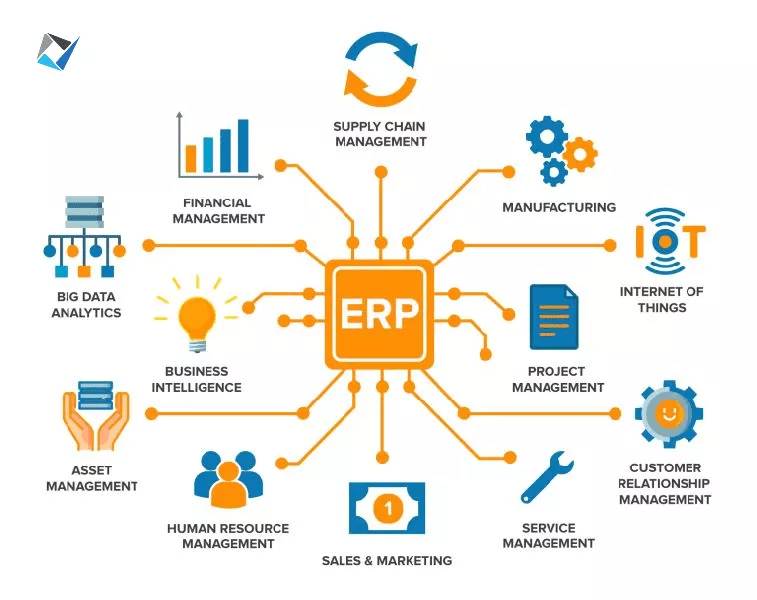
ERP implementation in Qatar has become a strategic priority for businesses seeking operational efficiency, financial control, and scalable growth. As organizations expand, manual processes and disconnected systems often become barriers to performance and visibility. An ERP system integrates core business functions into a unified platform, enabling better decision-making and process control.
Rowwad Advisory & Business Solutions supports businesses across Qatar in planning, implementing, and optimizing ERP systems that align with real operational needs. Successful ERP implementation is not about technology alone. It is a business transformation initiative that requires preparation, governance, and long-term commitment.
Understanding ERP in the Qatari Business Context
ERP systems integrate key business functions such as finance, accounting, procurement, inventory, sales, human resources, and reporting. In Qatar, ERP adoption is influenced by regulatory requirements, audit expectations, and the need for transparency and traceability.
Many businesses initially operate with separate tools for accounting, operations, and reporting. Over time, this fragmentation leads to inefficiencies, data inconsistencies, and delayed decision-making. ERP implementation addresses these challenges by creating a single source of truth across the organization.
Rowwad Advisory & Business Solutions ensures that ERP systems are designed to reflect local business practices and compliance requirements in Qatar.
Why Businesses in Qatar Invest in ERP Systems
ERP implementation is often triggered by growth-related challenges. As transaction volumes increase and teams expand, manual processes become unsustainable. Businesses struggle with delayed reporting, weak financial visibility, and lack of operational control.
In Qatar, ERP systems are also increasingly required to meet the expectations of banks, investors, and government entities. Structured systems enhance credibility and demonstrate operational maturity.
Rowwad Advisory & Business Solutions helps businesses identify when ERP implementation is the right step and how to maximize its value.
Common Misconceptions About ERP Implementation
One of the most common misconceptions is that ERP implementation is an IT project. In reality, ERP is a business project that impacts processes, roles, and decision-making across the organization.
Another misconception is that ERP systems automatically solve operational problems. Without proper process design and user adoption, ERP systems can become underutilized or misaligned with business needs.
Rowwad Advisory & Business Solutions addresses these misconceptions by positioning ERP implementation as a structured change initiative rather than a software installation.
Preparing for ERP Implementation
Preparation is one of the most critical success factors in ERP implementation. Businesses must clearly understand their current processes, pain points, and objectives before selecting a system.
Preparation typically includes process mapping, gap analysis, data review, and stakeholder alignment. This phase helps define system requirements and prevents costly changes later in the project.
Rowwad Advisory & Business Solutions conducts detailed readiness assessments to ensure businesses are prepared for ERP implementation.
Defining Business Requirements
Clear business requirements are essential for selecting and configuring the right ERP system. Requirements should be driven by operational needs rather than software features.
In Qatar, businesses often operate across multiple activities or projects, which must be reflected in system design. Financial reporting, approval workflows, and compliance requirements should be clearly defined.
Rowwad Advisory & Business Solutions works with leadership and operational teams to translate business needs into structured ERP requirements.
ERP Selection and System Fit
Selecting the right ERP system requires careful evaluation. Factors such as scalability, usability, integration capability, and local support should be considered.
An ERP system that fits one business may not suit another. Industry requirements, transaction complexity, and growth plans all influence system suitability.
Rowwad Advisory & Business Solutions supports ERP selection by evaluating system fit against business requirements rather than vendor marketing claims.
Process Design and Configuration
ERP implementation provides an opportunity to improve processes rather than simply automate existing inefficiencies. Process design should focus on simplification, standardization, and clarity.
During configuration, ERP systems are tailored to reflect approved processes, approval hierarchies, and reporting structures. This stage requires close collaboration between business users and implementation teams.
Rowwad Advisory & Business Solutions ensures that process design supports efficiency while maintaining necessary controls.
Data Migration and Accuracy
Data migration is a critical and often underestimated aspect of ERP implementation. Inaccurate or incomplete data can undermine system reliability and user confidence.
Businesses must review, clean, and validate data before migration. This includes customer records, supplier information, inventory balances, and financial data.
Rowwad Advisory & Business Solutions supports data preparation and validation to ensure a smooth transition to the new system.
Change Management and User Adoption
User adoption is one of the most significant determinants of ERP success. Employees must understand how the system supports their work and why changes are being introduced.
Resistance to change is common, particularly when processes become more structured. Effective change management includes communication, training, and ongoing support.
Rowwad Advisory & Business Solutions emphasizes user engagement and training throughout the ERP implementation process to ensure adoption and sustainability.
Testing and Go-Live Preparation
Before going live, ERP systems must be thoroughly tested to ensure functionality, data accuracy, and process alignment. Testing includes functional testing, user acceptance testing, and scenario validation.
Go-live preparation also involves defining support procedures, escalation paths, and performance monitoring. A structured go-live approach reduces disruption and builds confidence.
Rowwad Advisory & Business Solutions supports businesses through testing and go-live phases to minimize operational risk.
Post-Implementation Support and Optimization
ERP implementation does not end at go-live. Post-implementation support is essential to address issues, optimize performance, and refine processes.
As businesses evolve, ERP systems must be adjusted to support new requirements. Continuous improvement ensures that the system continues to deliver value.
Rowwad Advisory & Business Solutions provides post-implementation support and optimization services to ensure long-term success.
ERP and Financial Control
One of the primary benefits of ERP implementation is improved financial control. Integrated systems provide real-time visibility into financial performance, cash flow, and commitments.
In Qatar, ERP systems also support audit readiness and regulatory compliance by maintaining structured records and approval trails.
Rowwad Advisory & Business Solutions ensures that ERP systems strengthen financial governance rather than adding complexity.
ERP as a Platform for Growth
ERP systems provide the foundation for scalable growth. Integrated data supports expansion into new markets, onboarding of new customers, and introduction of new services.
For growing businesses in Qatar, ERP implementation enables scale without losing control or transparency.
Rowwad Advisory & Business Solutions helps businesses leverage ERP as a growth platform rather than a back-office tool.
The Importance of a Local ERP Advisory Partner
ERP implementation requires local expertise to navigate regulatory expectations, business practices, and user behavior in Qatar. Generic implementation approaches often fail to account for these factors.
Rowwad Advisory & Business Solutions combines technical ERP knowledge with deep understanding of the Qatari business environment. This ensures that ERP systems are practical, compliant, and aligned with business objectives.
Conclusion
ERP implementation in Qatar is a strategic investment that can transform how businesses operate, manage finances, and scale. When approached with preparation, governance, and strong change management, ERP delivers long-term value.
Rowwad Advisory & Business Solutions continues to support businesses across Qatar by guiding them through ERP implementation journeys that align technology with business needs and drive sustainable performance.